House free on two sides with two accesses from two parallel streets.
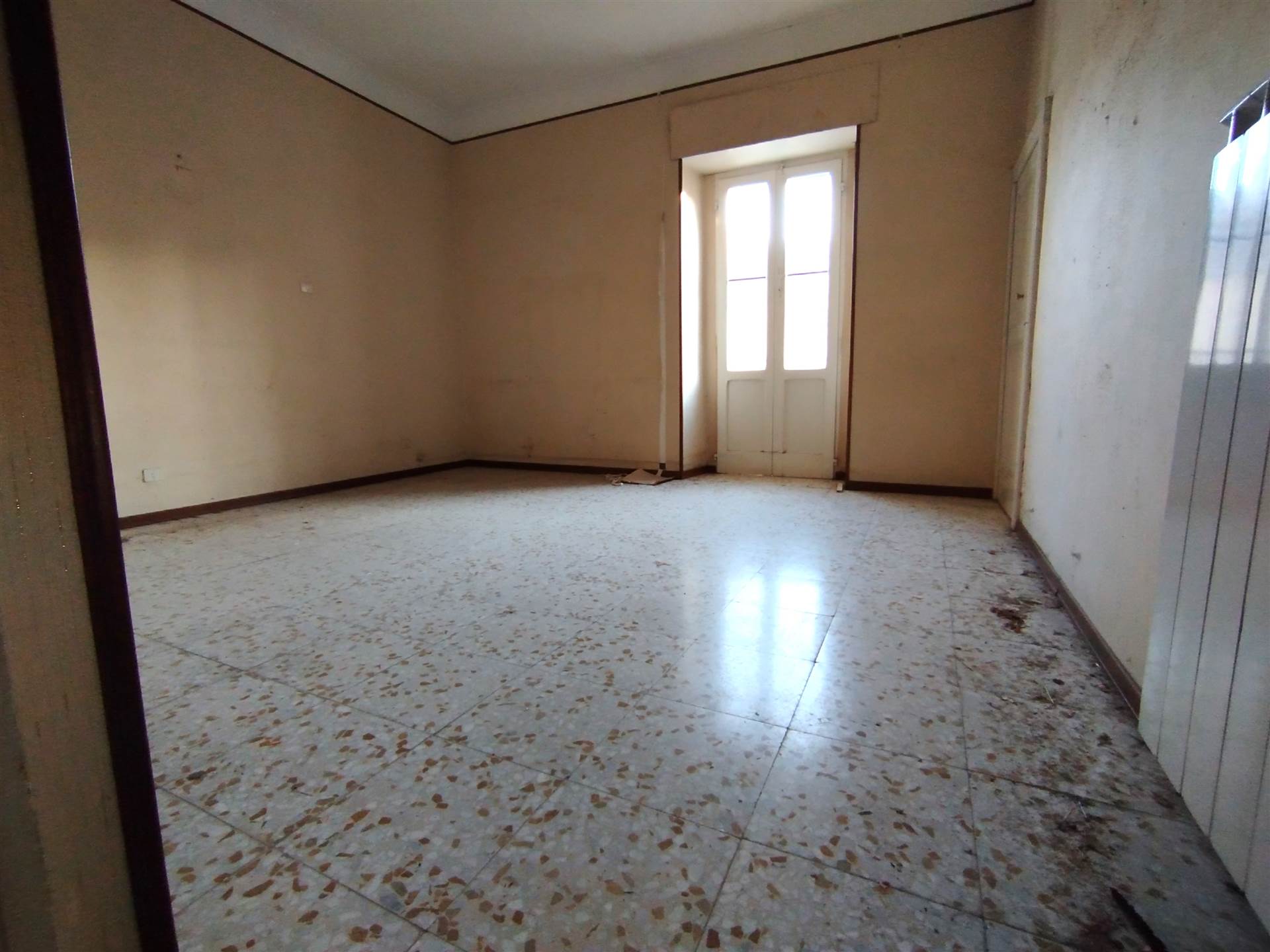
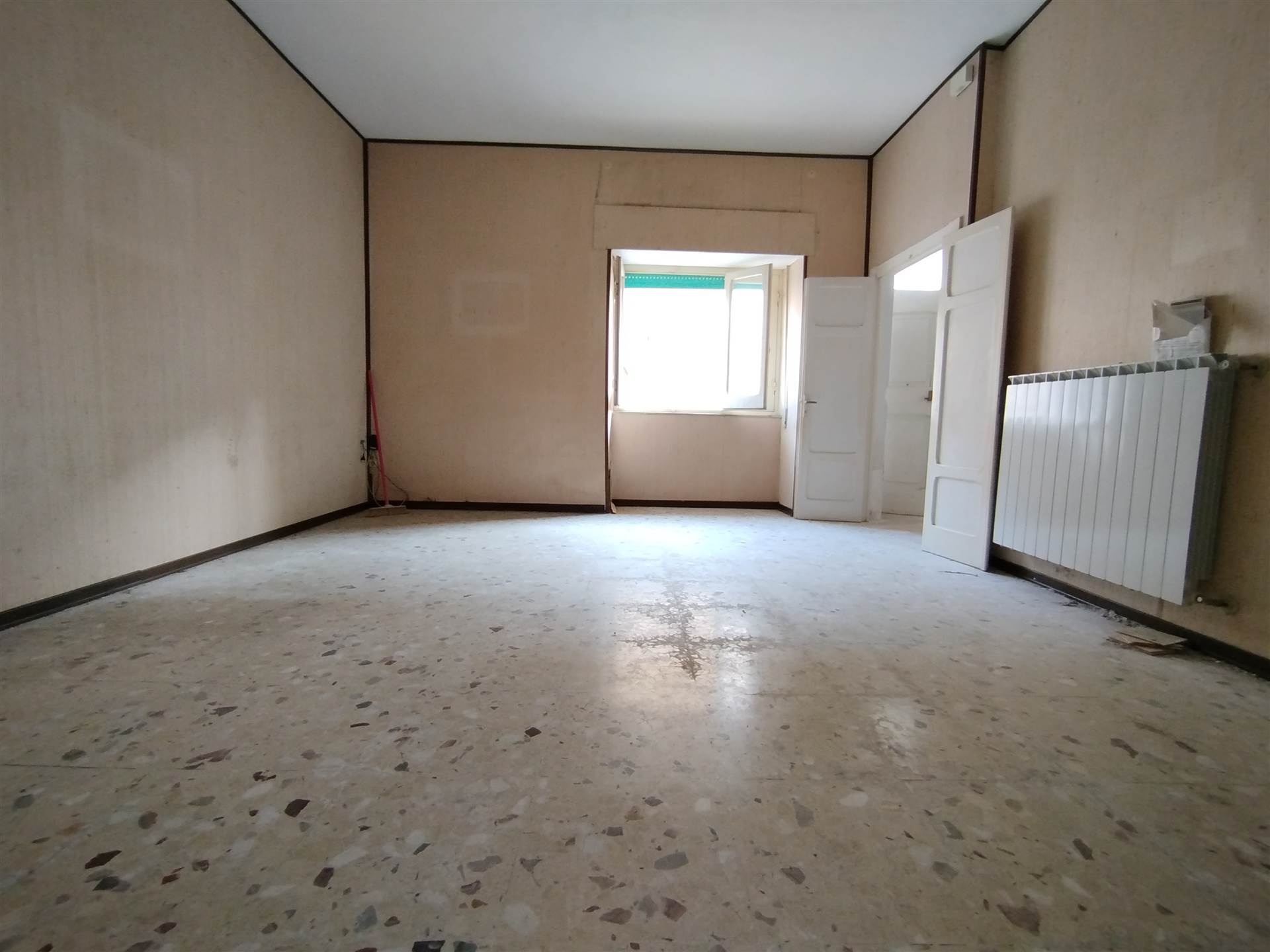
The house consists of an entrance, a large living room, kitchen, storage room, outdoor courtyard, bathroom, and garage with access from inside the courtyard and from the outside. The first floor consists of two large bedrooms, a bathroom, and a storage room. The second floor is an attic with a maximum height of two meters and seventy.
The property has great potential due to its central location, garage, and courtyard. Another advantage is the proximity to the sea, the bike path, the highway, and the train station, all reachable within 10 to 15 minutes.
Utilities: water, electricity, gas, connected to the municipal sewer.
Energy class: F
Surfaces: residence 154 square meters cadastral; garage 28 square meters; courtyard.
Distances: town center; 7 km from the Adriatic Sea, Pescara airport 60 km; Rome airport 290 km; Naples airport 200 km; ski resorts in Roccaraso 90 km.
POLLUTRI: Altitude 180 m above sea level. Surface area 26.17 km². Type of territory Coastal hills. Residents 2,224.
In Pollutri between history and culture
Among the hills of Medio Vastese, in the province of Chieti, lies Pollutri. This characteristic village combines architecture, history, and nature. Its origins date back, most likely, to 500 AD, but some archaeological finds testify that the area was inhabited even in pre-Roman times. The history of this small town, which has just over two thousand inhabitants, can be felt at every step. The heart of Pollutri is the fortified village in the highest part of the town, with porticoes, passages, staircases, and alleys. While the facades of the houses were modernized between the 17th and 19th centuries, cellars and basements retain an ancient, mysterious, and fascinating identity.
Visiting Pollutri
In addition to observing the beauties of the fortified village, visiting Pollutri means admiring many examples of ancient Christian architecture. In Piazza della Chiesa stands the church of the Holy Savior, dating back to the 14th century. Abbot Pacichelli, in 1703, also spoke of the existence of a pointed bell tower. Currently, the church features a neo-Romanesque facade. There was also the monastery of San Barbato, founded in 1015, of which the original fountain has been found. The remains of the Church of Santa Lucia, once owned by San Barbato, are also visible, near which votive terracotta fragments dating back to the 3rd-1st century BC were found.
The Bosco di Don Venanzio
In the territory of Pollutri, there is the Bosco di Don Venanzio Nature Reserve, a protected area established in 1999. With its approximately 78 hectares located 5 kilometers from the sea, it is one of the last plain forests on the Adriatic coast. The forest offers a solemn and enchanted atmosphere, with a series of river terraces overlooking the Sinello. In Pollutri, nature, tradition, and the present blend in an environment suspended in time, where ancient arts like embroidery, lace-making, and pillow lace still thrive. The cuisine is also typical of Medio Vastese, featuring 'ndroccioloni (homemade pasta), the award-winning salami Ventricina, wine tarallucci, and bocconotti.
What to do in Pollutri
If you are wondering what to do in Pollutri, know that traditional festivals are organized in the village throughout the year. The first Sunday of May is the feast of San Nicola, while the preceding Friday features the typical Throwing of Taralli. Additionally, every year, on the last Saturday of May, the Pollutri pilgrimage to the Sanctuary of the Madonna dei Miracoli in Casalbordino takes place, to commemorate the apparition of the Madonna to the Pollutri citizen Alessandro Muzio. In August, the Bosco di Don Venanzio hosts the grape and wine festival. In November, do not miss the food and wine event Prosit! Polu Uthar – Memories and peasant flavors. Finally, on December 6, the patronal feast is held.